
 By Oliver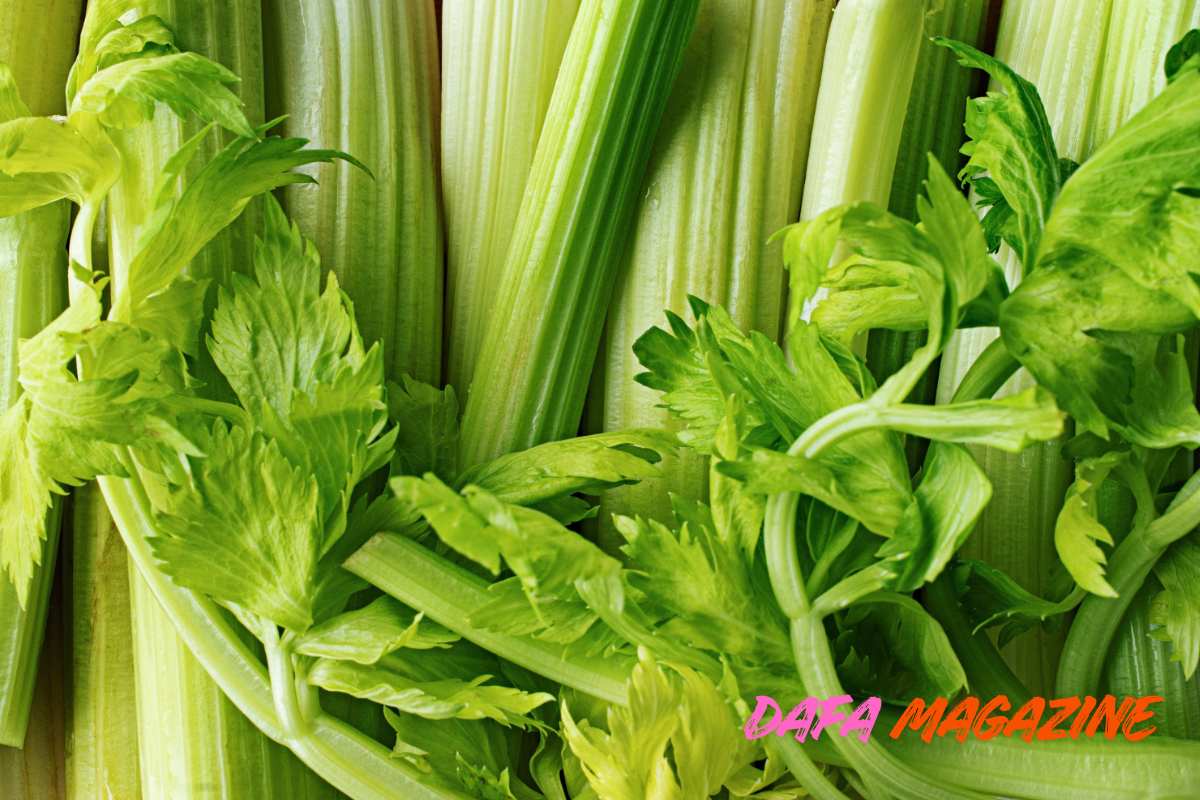
What Is Pravi Celer (Real Celery)?
Pravi celer — literally meaning “real celery” or “true celery” in South Slavic languages — refers to genuine, authentic celery (Apium graveolens) in its most natural and unadulterated form. Whether you’re searching for it at a farmers’ market in Belgrade, a grocery store in Sarajevo, or a specialty shop in Vienna, the concept is the same: the real, whole, unprocessed plant in contrast to mass-produced, flavor-diluted commercial varieties.
Celery has been cultivated for thousands of years, originating in the Mediterranean region. Today, it’s one of the most versatile vegetables in both traditional Balkan cooking and modern health-conscious diets worldwide. But not all celery is created equal — and that’s precisely why the idea of pravi celer matters so much to cooks, herbalists, and nutrition-aware consumers.
Featured Snippet:
Pravi celer (real celery) is authentic Apium graveolens in its whole, natural form — valued for its strong aroma, dense nutritional profile, and versatility in cooking and traditional medicine. It differs from commercial varieties by its richer flavor, thicker stalks or roots, and minimal processing.
How to Identify Pravi Celer? — The Real Deal
Knowing what separates pravi celer from a pale, limp supermarket substitute is the first step to getting the most from this vegetable.
Look for these signs of authentic celery:
- Strong, distinctive aroma — Real celery has an unmistakable, slightly peppery, herbal scent. If it smells like almost nothing, it’s likely been stored too long or grown in low-quality conditions.
- Firm, crisp stalks — The stalks should snap cleanly. Bending without breaking is a sign of age or poor freshness.
- Deep green leaves — Bright, dark green leaves indicate freshness. Yellowing or wilting suggests the plant has lost its peak nutritional density.
- Heavy root ball (for celeriac/root celery) — A dense, solid root is a sign of a well-grown plant. Hollow or spongy centers indicate overripeness.
- Locally sourced or heirloom variety — Pravi celer is often associated with heirloom or traditionally grown varieties that prioritize flavor over shelf life.
In Balkan culinary tradition, pravi celer most commonly refers to root celery (celeriac), which is used heavily in soups, stews, and pickled vegetable mixes, rather than the stalk celery more common in Western kitchens.
Nutritional Profile of Pravi Celer
Authentic celery is a nutritional powerhouse despite its low calorie count. Here’s what you get in approximately 100 grams of raw celery stalks:
| Nutrient | Amount | % Daily Value |
| Calories | 16 kcal | <1% |
| Water | 95.4 g | — |
| Dietary Fiber | 1.6 g | 6% |
| Vitamin K | 29.3 mcg | 24% |
| Vitamin C | 3.1 mg | 3% |
| Potassium | 260 mg | 6% |
| Folate | 36 mcg | 9% |
| Calcium | 40 mg | 3% |
| Magnesium | 11 mg | 3% |
Root celery (celeriac) is even more calorie-dense and richer in carbohydrates and minerals, making it a more satisfying and nourishing option for cold-weather cooking.
Beyond vitamins and minerals, celery contains important phytochemicals including apigenin, luteolin, phthalides, and polyacetylenes — compounds associated with anti-inflammatory, antioxidant, and blood-pressure-lowering effects.
Top Health Benefits of Pravi Celer
The health benefits of pravi celer go well beyond its role as a low-calorie snack. Traditional Balkan medicine and modern nutritional science both recognize celery as a genuinely therapeutic food.
1. Supports Heart Health
Celery contains phthalides, natural compounds that relax the muscles around arteries, allowing blood vessels to dilate. This mechanism is associated with lower blood pressure and improved circulation. Regular consumption of celery is connected to reduced cardiovascular risk factors.
2. Powerful Anti-Inflammatory Properties
Chronic inflammation drives dozens of modern diseases. Celery’s flavonoids — especially apigenin and luteolin — actively suppress inflammatory pathways in the body. This makes pravi celer a smart dietary ally for anyone dealing with joint pain, inflammatory gut conditions, or metabolic syndrome.
3. Digestive Health & Gut Support
With nearly 95% water content and a meaningful amount of dietary fiber, authentic celery supports healthy digestion by adding bulk to stool, feeding beneficial gut bacteria, and promoting regular bowel movements. Traditional herbalists in the Balkans have long used celery root tea to soothe digestive discomfort.
4. Liver & Kidney Detoxification
Celery has mild diuretic properties, meaning it encourages the kidneys to excrete excess fluids and sodium. This supports both kidney function and liver detoxification processes. In folk medicine across Serbia, Bosnia, and Croatia, celery root is frequently included in “cleansing” dietary regimens during spring.
5. Blood Sugar Regulation
The fiber and flavonoids in celery slow glucose absorption, which helps prevent blood sugar spikes after meals. Some research suggests that celery seed extract may also improve insulin sensitivity, making pravi celer a supportive food for people managing prediabetes or type 2 diabetes.
6. Rich Source of Vitamin K
A single serving of celery provides nearly 25% of the daily recommended intake of Vitamin K, a fat-soluble vitamin essential for blood clotting, bone metabolism, and arterial health.
7. Natural Stress Reduction
Celery contains magnesium and phthalide compounds that have a mild calming effect on the nervous system. Some studies suggest celery-based diets may contribute to reduced cortisol levels, though more research is needed in this area.
Pravi Celer in the Kitchen — Culinary Uses
Pravi celer is a cornerstone of traditional Balkan cooking — and for good reason. Its bold flavor adds depth to dishes that mild, commercially grown celery simply cannot replicate.
In Traditional Balkan Cooking
- Čorbe (soups and broths) — Root celery is almost always included in the classic vegetable stock base alongside carrots, parsley root, and onion. It’s the backbone of pileća čorba (chicken soup) and goveđa čorba (beef broth).
- Zimnica (winter preserves) — Sliced or grated celeriac is pickled alongside other vegetables in traditional fermented vegetable mixes eaten throughout winter.
- Salata od celera — A simple celeriac salad, often cooked, cooled, and dressed with mayonnaise, lemon juice, and fresh herbs. A fixture on holiday tables.
- Paprikaš and stews — Diced celeriac adds a savory, slightly earthy dimension to slow-cooked meat stews.
In Modern & International Cooking
- Celery juice — Trending globally as a morning health drink. Best results come from fresh, pravi celer — not mass-produced stalks.
- Smoothies and green juices — Celery pairs well with apple, ginger, cucumber, and lemon.
- Stocks and broths — The French mirepoix (onion, carrot, celery) is a universal flavor base in professional kitchens.
- Raw snacks — Stalks dipped in hummus, peanut butter, or tzatziki make an excellent high-fiber snack.
- Sofriti and stir-fries — Celery adds crunch and flavor to Italian soffritto and Asian stir-fries alike.
Pravi Celer vs. Other Celery Varieties
Not all celery is the same. Here’s how pravi celer compares to other common types:
| Type | Best Known For | Flavor Intensity | Main Use |
| Root celery / Celeriac | Bulbous root, traditional Balkan cooking | Very strong | Soups, salads, stews |
| Stalk celery | Long crisp stalks, Western use | Mild-moderate | Raw snacking, juicing, stir-fries |
| Leaf celery (cutting celery) | Leafy, resembles parsley | Very strong | Herbs, garnishes, soups |
| Wild celery (smallage) | Ancestor of cultivated varieties | Extremely pungent | Medicinal, specialty cooking |
In the context of South Slavic food culture, pravi celer most often means celeriac (root celery) — the knobby, round root variety. When someone at a Balkan market says daj mi pravi celer (“give me real celery”), they almost certainly want the root, not the stalks.
How to Grow Pravi Celer at Home?
Growing your own celery ensures you always have access to the real thing — no watered-down commercial versions.
Step-by-step guide:
- Start seeds indoors — Begin 10–12 weeks before your last expected frost. Celery has a long growing season.
- Use rich, moist soil — Celery demands consistently moist, fertile soil. Amend your bed with compost before planting.
- Sow seeds shallowly — Celery seeds need light to germinate. Press them gently into the surface; don’t bury them.
- Maintain moisture — Never let celery dry out. Inconsistent watering leads to stringy, bitter stalks.
- Transplant outdoors after frost — Space plants 30–45 cm apart in rows.
- Fertilize regularly — Apply a balanced fertilizer every 2–3 weeks during the growing season.
- Harvest as needed — Cut outer stalks as they mature, or harvest the whole plant. For celeriac, wait until the root reaches 8–10 cm in diameter.
Ideal conditions: Full sun to partial shade, pH 6.0–7.0, cool-to-moderate temperatures (15–21°C ideal).
Buying, Storing & Preserving Pravi Celer
Where to buy pravi celer:
- Farmers’ markets and local produce stands (best quality)
- Organic grocery stores
- Traditional market halls (tržnice) in Balkan cities
- Community-supported agriculture (CSA) boxes
How to store celery:
- Stalks: Wrap in aluminum foil or a damp towel and refrigerate — stays fresh up to 2 weeks.
- Celeriac root: Store in a cool, dry place like a cellar for up to 3–4 months. Refrigerate once cut.
- Leaves: Dry and store in an airtight jar as a herb, or freeze blanched for later use.
Preserving for winter:
- Blanch and freeze — Works well for both stalks and root.
- Pickling — Slice celeriac thin and ferment with salt and vinegar.
- Dehydrating — Dry leaves or thinly sliced root to make concentrated celery powder for soups.
Conclusion
Pravi celer is far more than just a cooking ingredient — it’s a nutritional cornerstone of traditional Balkan cuisine and a genuinely powerful health food. Whether you’re reaching for the knobbly root at a weekend market, pressing fresh stalks into your morning juice, or simmering it into a restorative winter broth, choosing authentic, real celery makes a measurable difference in both flavor and nutritional value.
The next time you shop for celery, remember: smell it first, check the texture, and choose local or heirloom varieties whenever possible. Your food — and your body — will know the difference.
Ready to get the most from pravi celer? Start by finding a local source, try one of the traditional recipes above, and experience firsthand why generations of Balkan cooks have insisted on nothing less than the real thing.
FAQs
What does “pravi celer” mean in English?
“Pravi celer” is a Serbian, Bosnian, and Croatian phrase meaning “real celery” or “true celery.” It typically refers to authentic, traditionally grown celery — especially celeriac (root celery) — as opposed to mass-produced, flavor-diluted commercial varieties.
Is celeriac the same as pravi celer?
In Balkan culinary tradition, yes — when people refer to pravi celer, they most often mean celeriac (root celery, Apium graveolens var. rapaceum). Stalk celery exists but is less culturally prominent in South Slavic cooking.
What are the health benefits of pravi celer?
Pravi celer supports heart health, reduces inflammation, aids digestion, promotes kidney and liver detoxification, helps regulate blood sugar, provides Vitamin K, and has mild stress-reducing properties due to its magnesium and phthalide content.
How do you use pravi celer in cooking?
Use it in soups, broths, stews, and pickled vegetable mixes. Celeriac can be grated raw into salads, roasted, mashed as a potato substitute, or cooked into sauces. Celery leaves can be dried and used as a herb.
How can you tell if celery is fresh (pravi)?
Fresh, authentic celery has a strong herbal aroma, firm crisp stalks that snap cleanly, deep green leaves, and — for celeriac — a dense, solid root. Wilted leaves, weak smell, and spongy texture are signs of poor freshness.
Can you drink pravi celer juice every day?
Yes, celery juice made from fresh, whole celery can be consumed daily as part of a healthy diet. It’s particularly valued for its hydration, anti-inflammatory compounds, and electrolyte content. However, those on blood thinners should consult a doctor due to celery’s high Vitamin K content.
What’s the difference between pravi celer and commercial celery?
Pravi celer — especially heirloom or locally grown varieties — tends to have stronger flavor, denser nutrition, and thicker roots or stalks compared to commercially grown celery, which is often bred for shelf life, appearance, and mild flavor rather than nutritional depth or taste.