
 By Oliver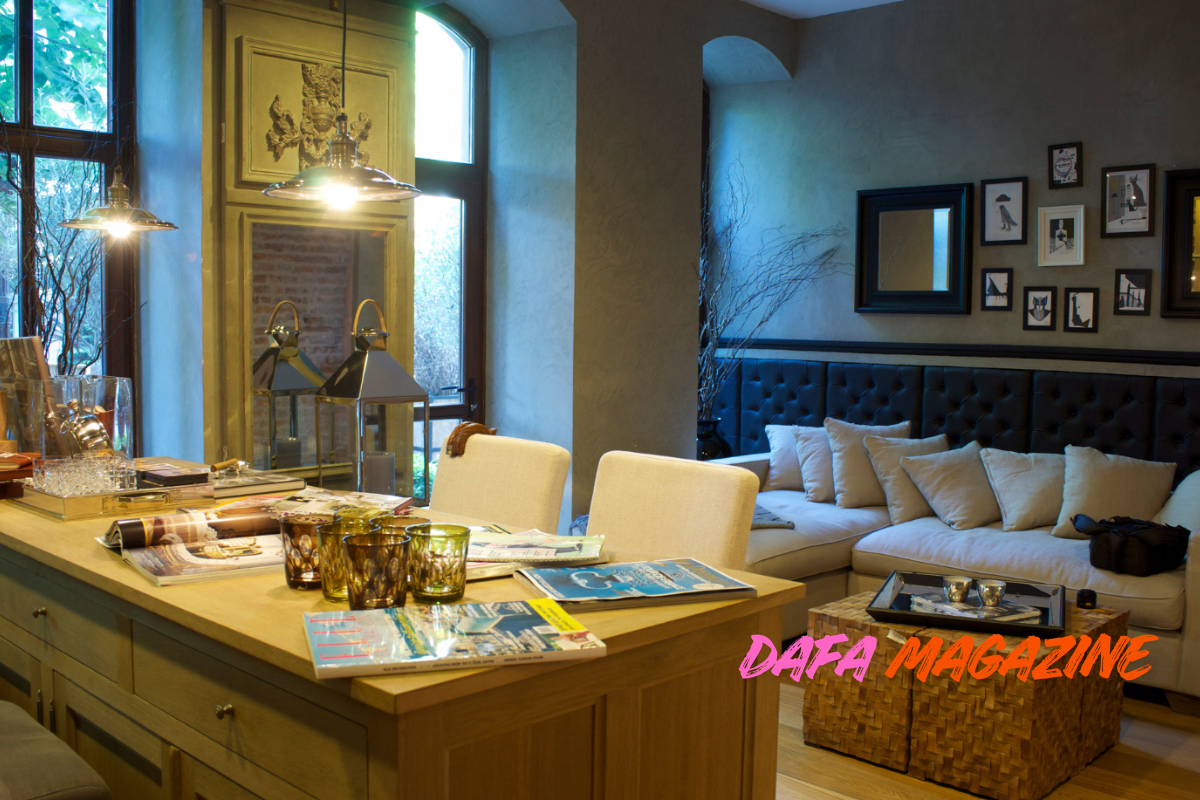
Introduction
What if your home could tell a story — one rooted in centuries of Central European craftsmanship, clean lines, and timeless elegance?
That’s exactly what Homecz represents: a philosophy of home living that draws from Czech design heritage, blending functionality with understated beauty. Whether you’re redesigning a single room or transforming your entire living space, the Homecz approach offers a refreshing alternative to the generic, mass-market aesthetic dominating today’s interior design scene.
In this guide, you’ll discover everything you need to know — from what Homecz-style design looks like in practice, to how you can apply its principles room by room, find the right products, and create a home that genuinely feels like yours.
What Is Homecz?
Homecz is both a concept and a growing aesthetic movement in the home décor space, rooted in the rich interior design culture of the Czech Republic and broader Central Europe.
The Czech Republic has a deeply embedded design tradition — one that gained international recognition through the early-20th-century Bauhaus movement, Czech Cubism, and the functional modernism that defined Prague’s architectural landscape. Homecz brings this tradition into the modern home.
At its core, Homecz is about purposeful beauty. Every piece of furniture, every fixture, every textile should serve a clear function while also contributing to the visual harmony of a space. Nothing is there just for show — and nothing functional is allowed to be ugly.
Think of it as the Czech answer to Scandinavian minimalism: similarly restrained, but with warmer tones, more intricate woodwork, and a deeper appreciation for handcrafted, artisan-made goods.
The Core Principles of Czech Home Design
Understanding Homecz means understanding the values that drive it. These aren’t just design preferences — they’re a way of thinking about the home itself.
1. Craftsmanship Over Mass Production
Czech furniture makers have long been celebrated across Europe for their precision joinery, solid timber work, and attention to detail. The Homecz philosophy prioritizes pieces made to last generations, not seasons.
2. Functional Beauty
Inspired by Bauhaus thinking, Homecz holds that form should follow function — but that doesn’t mean sacrificing elegance. A well-made bookshelf, a ceramic lamp, a hand-stitched cushion: all of these can be both practical and visually striking.
3. Natural Materials
Oak, walnut, linen, wool, and ceramic are the building blocks of Homecz-inspired spaces. These materials age beautifully, develop character over time, and connect your home to the natural world in a tangible way.
4. Warmth Through Restraint
Homecz interiors are not cold or clinical. They use a warm, muted palette — think raw timber, off-whites, clay tones, forest greens, and deep blues — to create rooms that feel genuinely inviting rather than showroom-pristine.
5. Heritage & Storytelling
A Homecz-inspired home often incorporates pieces with history — antique finds, heirlooms, locally crafted goods, or items that carry a maker’s story. The home is treated as a living archive, not just a showroom.
Homecz Aesthetics: What Does It Actually Look Like?
If you walked into a Homecz-designed living room, here’s what you’d notice:
- Low-profile, solid wood furniture with clean lines and visible grain
- Handmade ceramic vessels — vases, bowls, coffee mugs — placed intentionally around the space
- Layered textiles: linen curtains, wool throws, and woven rugs that add depth without clutter
- Natural light as a design element, with large windows left largely unobstructed
- A curated bookshelf — books as décor, not just storage
- Plants and botanicals, grounding the interior with organic life
- Muted, earthy tones punctuated by a single bold accent — a deep burgundy chair, a slate-blue cabinet
It’s a look that feels lived-in and intentional at the same time. Effortlessly stylish, but never try-hard.
Room-by-Room Homecz Design Guide
Living Room
The living room is the heart of a Homecz home. Focus on a solid wood coffee table, a neutral-toned sofa in natural fabric, and a statement rug with geometric or folk-inspired patterns.
Avoid overstuffed furniture and excessive décor. Less is more — but what’s there should be deeply considered.
Key pieces:
- Solid oak or walnut coffee table
- Linen or wool upholstered sofa
- Ceramic table lamp with warm-toned bulb
- Woven area rug in earthy tones
- A single piece of original art or a framed print
Kitchen
Czech kitchens are built for actual cooking. The Homecz kitchen blends handmade ceramics, open shelving with thoughtfully arranged everyday items, and durable surfaces like stone countertops or solid wood butcher blocks.
Practical details — good knives, quality pots, a well-stocked spice rack — are displayed proudly rather than hidden away. The kitchen is meant to be used and enjoyed.
Bedroom
The Homecz bedroom is a sanctuary of calm and comfort. Think white or oatmeal linen bedding, a wooden bed frame with a simple headboard, and soft lighting that avoids harsh overhead fixtures.
Bedside tables with a single drawer keep clutter contained. A hand-knotted rug beside the bed adds texture underfoot every morning.
Bathroom
Even the bathroom gets the Homecz treatment. Matte ceramic tiles, wooden bath accessories, linen towels, and a potted plant or two can completely transform a standard bathroom into a spa-like retreat.
Replace plastic dispensers with glass or ceramic equivalents. Small changes here make a significant visual impact.
Czech Craftsmanship: Why Materials Matter?
One of the things that sets Homecz-inspired design apart is its uncompromising attitude toward materials. In an era of flat-pack furniture and fast-fashion home décor, choosing high-quality, sustainably sourced materials is both an aesthetic and ethical statement.
Czech woodworkers have centuries of expertise working with Central European hardwoods — oak, beech, walnut, and cherry. These timbers are dense, durable, and rich with character. A well-made Czech-style wooden chair can last 50 years; a flat-pack alternative rarely survives a second move.
Ceramics also play a major role. The Czech Republic has a strong pottery tradition, and hand-thrown pieces bring an organic, imperfect beauty that machine-made ceramics simply cannot replicate.
When you invest in materials with these qualities, you’re not just buying furniture — you’re reducing waste, supporting skilled artisans, and building a home that genuinely improves with age.
Homecz vs. Other European Design Styles
It helps to understand how Homecz-inspired design sits within the broader landscape of European interior aesthetics.
| Style | Origin | Key Traits | Palette |
| Homecz | Czech Republic / Central Europe | Crafted, warm, functional beauty | Earthy, muted, warm neutrals |
| Scandinavian | Nordic countries | Minimalist, light-filled, clean | Cool whites, greys, pale woods |
| Bauhaus | Germany | Form follows function, geometric | Primary colors, black, white |
| Rustic French | France | Ornate, romantic, vintage | Cream, lavender, aged gold |
| Japandi | Japan + Scandinavia | Serene, decluttered, natural | Off-white, black, natural wood |
Homecz occupies a unique middle ground: warmer than Scandinavian design, more artisan-focused than Bauhaus, and less ornate than French Country. It’s ideal for people who want a home that feels both sophisticated and genuinely comfortable.
How to Shop for Homecz-Inspired Home Décor?
You don’t need to fly to Prague to build a Homecz-inspired home. Here’s how to find the right pieces wherever you are:
1. Prioritize Local Artisans And Independent Makers
Craft markets, pottery studios, and small-batch furniture workshops are your best friends. Look for makers who work with natural materials and traditional techniques.
2. Shop Vintage And Secondhand
Czech-style design often incorporates older pieces. A mid-century wooden sideboard, a vintage ceramic lamp, or a hand-embroidered tablecloth found at a flea market can anchor an entire room.
3. Look For Sustainability Certifications
When buying new, seek out FSC-certified wood, GOTS-certified organic textiles, and brands that are transparent about their supply chain.
4. Invest In Key Anchor Pieces
Rather than buying lots of cheap items, save up for one or two high-quality statement pieces — a solid wood dining table, a handmade ceramic collection — and build everything else around them.
5. Use Online Marketplaces Thoughtfully
Platforms like Etsy have thousands of independent Czech and Central European craftspeople selling directly to international buyers. Search specifically for handmade, artisan, or small-batch items rather than mass-produced alternatives.
Homecz Interior Design Trends for 2026?
The Homecz aesthetic is evolving. Here are the key trends shaping Czech-inspired home design in 2026:
Biophilic Design Integration Bringing the outdoors in is more than a trend — it’s becoming a cornerstone of intentional home design. Living walls, potted botanicals, natural stone surfaces, and raw timber features are all central to the Homecz 2026 look.
Muted Heritage Tones Earthy clay reds, forest greens, dusty blues, and warm ochres are replacing the cool grey-and-white palettes that dominated the previous decade. These tones feel rooted, cozy, and authentic.
Multi-Generational & Heirloom Thinking Homeowners are increasingly resistant to buying furniture that won’t last. The 2026 Homecz mindset is about buying once, buying well, and passing things down.
Artisan Ceramics as Statement Pieces Hand-thrown bowls, sculptural vases, and ceramic light fixtures are moving from accent pieces to genuine focal points in Homecz-inspired rooms.
Thoughtful Technology Integration Smart home technology is being integrated discreetly — hidden inside cabinetry, recessed into walls — so that it serves the home without dominating its aesthetic.
Budget-Friendly Homecz Styling Tips
You don’t need a major budget to bring Homecz principles into your home. Here are practical, affordable ways to start today:
- Swap plastic for ceramic or glass: Replace bathroom dispensers, kitchen canisters, and desk accessories with ceramic or glass alternatives. Often inexpensive, always impactful.
- Add a single quality rug: Even a modest woven rug transforms a bare floor. Look for natural fibers — jute, wool, or cotton — even in lower price ranges.
- Rearrange before you buy: Often the biggest improvement comes from editing what you already have. Remove half the items from any given surface and see how the space breathes.
- Introduce plants: A few well-placed plants cost very little but add enormous warmth, texture, and life to any room.
- Change your lighting: Replace cool-white bulbs with warm-white or amber-toned alternatives. It costs almost nothing and completely changes the mood of a space.
- Shop secondhand first: Before buying anything new, check vintage stores and online secondhand platforms. You’ll often find higher-quality pieces at lower prices.
Conclusion
Homecz isn’t just a design trend — it’s a way of thinking about what a home should be.
When you bring Czech-inspired principles into your living space, you’re choosing craftsmanship over convenience, longevity over disposability, and genuine beauty over surface-level style. You’re building a home that will grow with you, age gracefully, and tell your story in every corner.
Whether you start by swapping a plastic shelf for a solid wood one, hunting for a hand-thrown ceramic vase at your local market, or rethinking your entire interior layout with Homecz principles in mind — every step in this direction makes your home more yours.
Ready to start your Homecz journey? Begin with one room. Choose one piece that reflects quality, natural materials, and purposeful design. Build from there. The results will speak for themselves.
FAQs
What does Homecz mean?
Homecz is a home design concept that blends the words “home” and “CZ” (the international country code for the Czech Republic). It refers to a Czech-inspired approach to interior design and home living that emphasizes craftsmanship, natural materials, and functional beauty.
Is Homecz the same as Scandinavian design?
Not exactly. While both styles share a preference for natural materials and restrained aesthetics, Homecz tends to be warmer, more artisan-focused, and incorporates more handcrafted ceramics, folk-inspired patterns, and heritage textiles than classic Scandinavian minimalism.
What furniture styles are associated with Homecz?
Solid wood furniture with clean lines, low-profile sofas in natural fabrics, handcrafted wooden shelving, and ceramic or glass lighting fixtures are all characteristic of the Homecz style. Czech Cubism and Bauhaus-influenced pieces are also widely referenced.
How can I find Homecz-inspired home products?
Independent artisan markets, Etsy sellers specializing in Czech or Central European crafts, vintage and secondhand furniture stores, and sustainable home décor brands are all excellent sources. Focus on natural materials and handmade quality over mass-produced alternatives.
Is Homecz design expensive?
It doesn’t have to be. The philosophy encourages buying fewer, better things rather than filling a space with cheap items. Starting with secondhand pieces, adding plants, and swapping plastic for natural materials are all budget-friendly entry points.
What colors work best for a Homecz-inspired interior?
Warm neutral tones — off-white, oatmeal, warm grey, clay, and sand — form the base palette. These are complemented by deeper accent tones like forest green, dusty blue, terracotta, and warm burgundy. Avoid cool-toned or overly bright colors.
Can Homecz style work in a small apartment?
Absolutely. The emphasis on functionality, editing down clutter, and choosing multi-purpose pieces makes Homecz principles especially well-suited to smaller spaces. A thoughtfully furnished small apartment can feel far more welcoming than a cluttered large one.